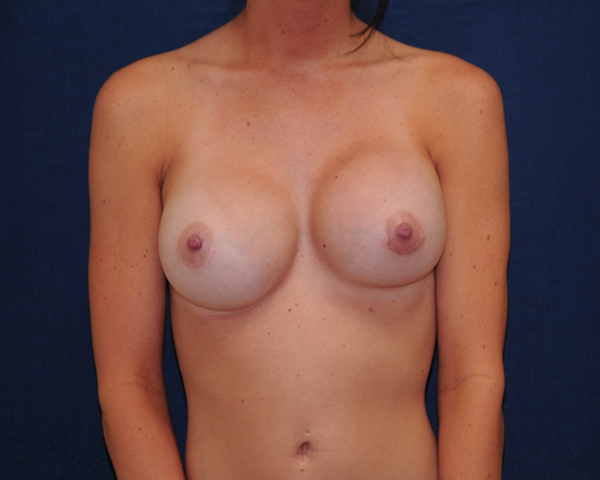
You finally did it! The breast enhancement surgery you’ve wanted for so long has happened and you’re so excited! But one breast (or in some cases, both breasts) seems a bit firm, and don’t appear to be “settled”…what is this and why is it happening?
Capsular Contracture is most likely the diagnosis. Capsular contracture, as defined is: The tightening of scar tissue (also called the capsule) that normally forms around the breast implant during the healing process after surgery. In some women, the scar tissue becomes inelastic, tight and thick and can squeeze the implant. This can result in firmness of the breast(s).
What causes Capsular Contracture is not 100% clear or known. There could be some form of stimuli that causes excess scar tissue to develop in certain individuals. These stimuli could be: blood around the implant, fluid, bacteria, or even simply, genetics.
In most cases capsular contracture won’t go away on it’s own. It’s not a disease or illness but can lead to further complications such as tissue atrophy (thinning of breast tissue) or implant extrusion, not to mention breast pain. In most cases, this condition is best treated by a revision surgery called a Capsulectomy which is to remove the excess scar tissue. Though some doctors might put their patients on certain medications first to see if the scar tissue can soften, and stay that way. Risks of redevelopment can be possible, even after a revision surgery.
Symptoms of Capsular Contracture range from mild firmness and mild discomfort to severe pain, distorted shape of the implant and palpability (ability to feel the implant). Capsular Contracture is classified by a scale named Baker Grade and is graded into 4 levels depending on its severity.
Baker Grade I: the breast is normally soft and looks natural.
Baker Grade II: the breast is a little firm but looks normal.
Baker Grade III: the breast is firm and looks abnormal.
Baker Grade IV: the breast is hard, painful, and looks abnormal.
Baker Grade III and IV are considered severe and additional surgery is often times needed to correct these grades. (*In some cases, this surgery may be considered medically necessary to alleviate/treat by removing the implant(s) and excess scar tissue and could be covered by health insurance. ) This is not a condition that the implant manufactures cover in their warranty.
Call us at the Beverly Hills Plastic Surgery Group today at (310) 275-6600 today to be evaluated for capsular contracture.
Rib cartilage is not something every Revision Rhinoplasty patient needs.The reason it sometimes becomes part…
Fillers and laser treatments can improve facial volume and skin quality, but they cannot fully…
350cc does not describe an implant completely.Two implants can contain the same volume while distributing…
If you've spent any time on social media lately, you may have seen headlines about…
Tailbone pain, medically known as coccydynia, can turn something as simple as sitting down into…
Abdominoplasty remains one of the most transformative procedures in aesthetic body surgery. While technical execution…